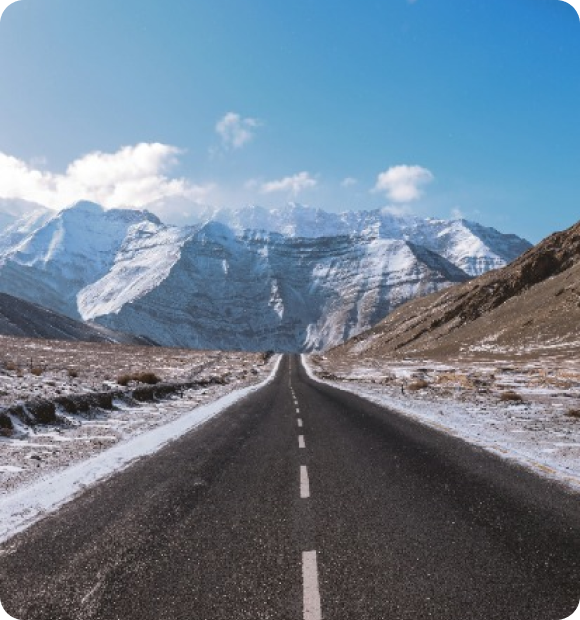
About Nepal
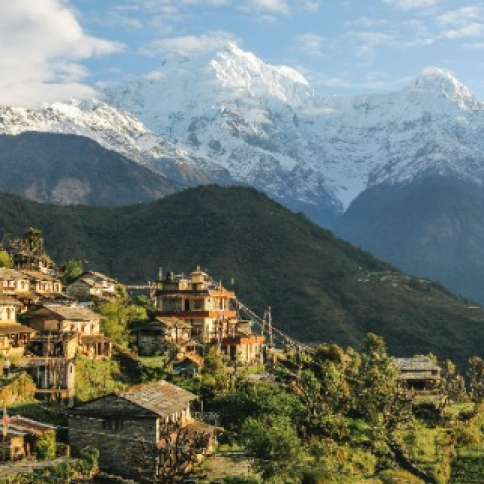
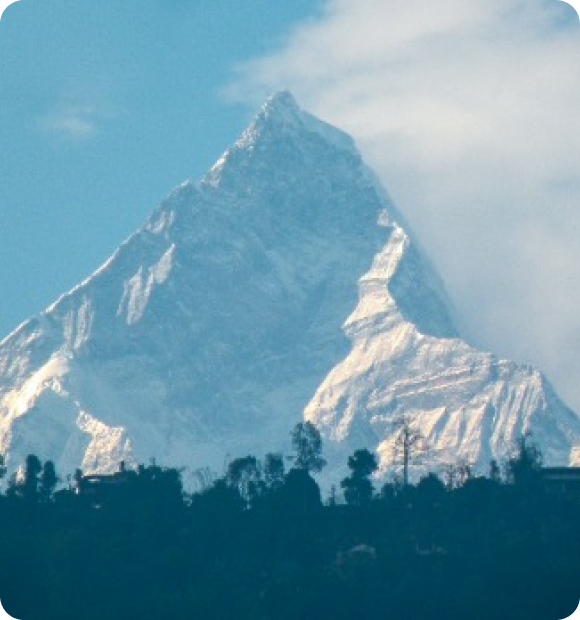
Nepal is a landlocked country in South Asia. It is mainly situated in the Himalayas, but also includes parts of the Indo-Gangetic Plain. It borders the Tibet Autonomous Region of China to the north, and India to the south, east, and west, while it is narrowly separated from Bangladesh by the Siliguri Corridor, and from Bhutan by the Indian state of Sikkim. Nepal has a diverse geography, including fertile plains, subalpine forested hills, and eight of the world's ten highest mountains, including Mount Everest, the highest point above mean sea level on Earth. Kathmandu is the nation's capital and its largest city. Nepal is a multi-ethnic, multi-lingual, multi-religious, and multi-cultural sovereign state, with Nepali as the official language.
Capital -
Kathmandu
Time zone -
GMT+05:45 (Nepal Time)
Area -
Approximately 147,516 square kilometers.
Population -
Approximately 30,000,000 people.
Language -
Nepali is the official language; English is common in trekking and tourism hubs.
Currency -
The currency used in Nepal is the Nepalese rupee (NPR).
Climate -
Hot season :
April to June
Rainy season :
June to September
Cool season :
October to March
Religion -
Major faiths and local traditions vary across Nepal; respect local customs at religious sites.
Famous Foods -
Dal Bhat, Momo, Newari cuisine, Sel Roti, Thukpa.
Reach out to us now !
Nepal Essential Travel Tips
Local Sim -
Buy a local SIM at the airport or licensed stores for affordable data. Compare prepaid tourist plans before travel.
Cultural Respect -
Dress appropriately at religious sites, ask before photographing people, and follow local etiquette.
Climate Awareness -
Pack for heat, rain, or altitude depending on season and region. Stay hydrated and use sunscreen.
Cost of living -
Nepal offers budget to luxury options; street food and public transit help keep costs down.
Accomodation -
Hostels and guesthouses suit budget travelers; international chains and resorts are available in major cities.
Food -
Try local specialties at busy food courts and reputable restaurants. Bottled water is recommended where tap water is not advised.
Transportation -
Use official taxis, registered ride-hailing apps, or pre-booked transfers from the airport.
Entertainment -
Book popular attractions and shows online when possible to skip queues.
Health and Safety Measures -
Health Precautions -
Carry basic medicines, use mosquito protection in tropical areas, and check vaccination guidance for your itinerary.
Medical Facilities -
Major cities have private hospitals; travel insurance with medical cover is strongly recommended.
Emergency Contacts -
Embassy of India in Nepal -
Check the Embassy of India in Nepal for the latest address and hours.
Contact Number :
Verify on the Ministry of External Affairs website before travel.
Email :
Verify on the Ministry of External Affairs website before travel.
Popular Nepal packages
Frequently asked questions
Your Essential Nepal Travel Questions Answered
What is the best time to visit Nepal?
Do Indian travelers need a visa for Nepal?
What currency is used in Nepal?
How can I get around within Nepal?
Is Nepal safe for tourists?
-
-
Welcome to Trip Easy 360, your one-stop destination for hassle-free travel planning! Explore tour packages, bus bookings, hotels, and flight search in one place.
-
© 2026 Trip Easy 360. All rights reserved.